Damp & Condensation Control in London
Mould is the symptom; moisture is the disease. Most London mould is driven by condensation in poorly ventilated period homes, but penetrating and rising damp play their part too. We identify which one you have and bring the moisture under control.
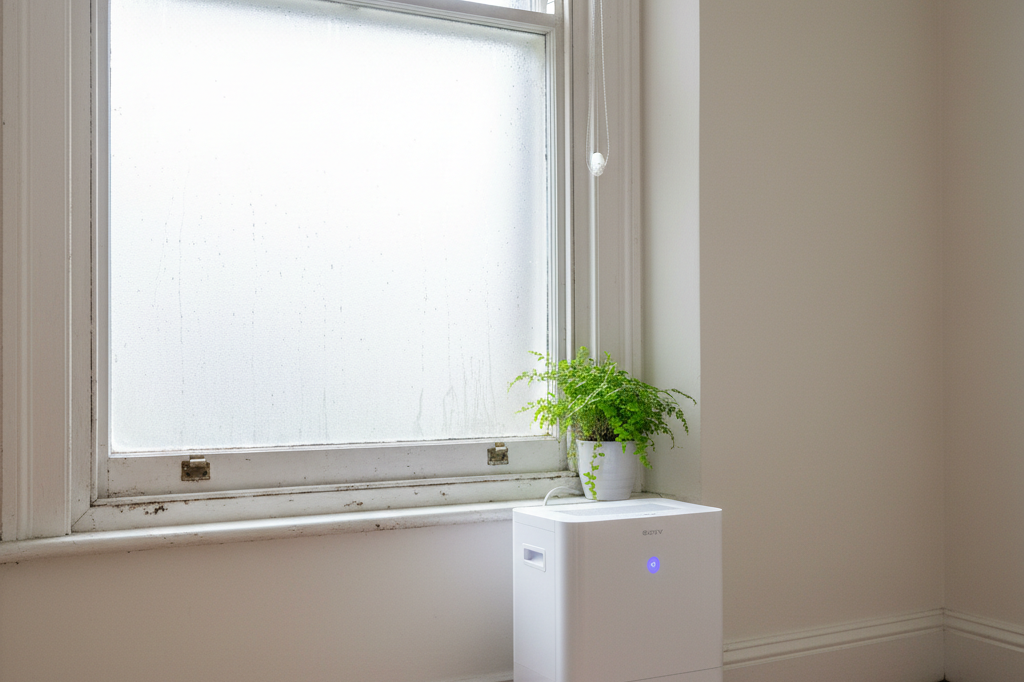
Fix the moisture, fix the mould
If you only ever read one thing about mould, make it this: mould grows where there is moisture, and it stops where there isn’t. Get the moisture under control and the mould has nowhere to live. That’s why damp and condensation control is at the heart of what we do.
London’s three culprits
The capital’s housing stock — especially its Victorian and Edwardian terraces and converted flats — is unusually prone to damp. We diagnose and treat all three main types:
- Condensation — by far the most common, driven by modern living (showers, drying clothes indoors, sealed windows) in homes that were built to breathe.
- Penetrating damp — water finding its way in through the building fabric.
- Rising damp — ground moisture moving up through the wall.
A whole-property approach
Bringing moisture under control usually means a combination: improving ventilation so humid air leaves, dehumidification to dry things out, and targeted repairs to stop water getting in. Once the conditions that fed the mould are gone, removal and remediation actually lasts — and we can set the property up to stay mould-free.
Common situations we deal with
Condensation
Warm, moist indoor air hits cold walls and windows and turns to water — worst in winter, in bedrooms, bathrooms and behind furniture on external walls.
Penetrating damp
Water getting in from outside — failed pointing, cracked render, blocked gutters or a roof defect — leaving localised damp patches and mould.
Rising damp
Ground moisture climbing through walls where a damp-proof course is missing, bridged or failed, showing as a tide-mark low on the wall.
Trapped moisture
Non-breathable modern paints and finishes on solid period walls can seal moisture in, making damp and mould far worse than they need to be.
Methodical, contained, evidence-led
The work is done in a controlled sequence — diagnosed, contained, treated and protected — not rushed with a sponge and a tin of paint.
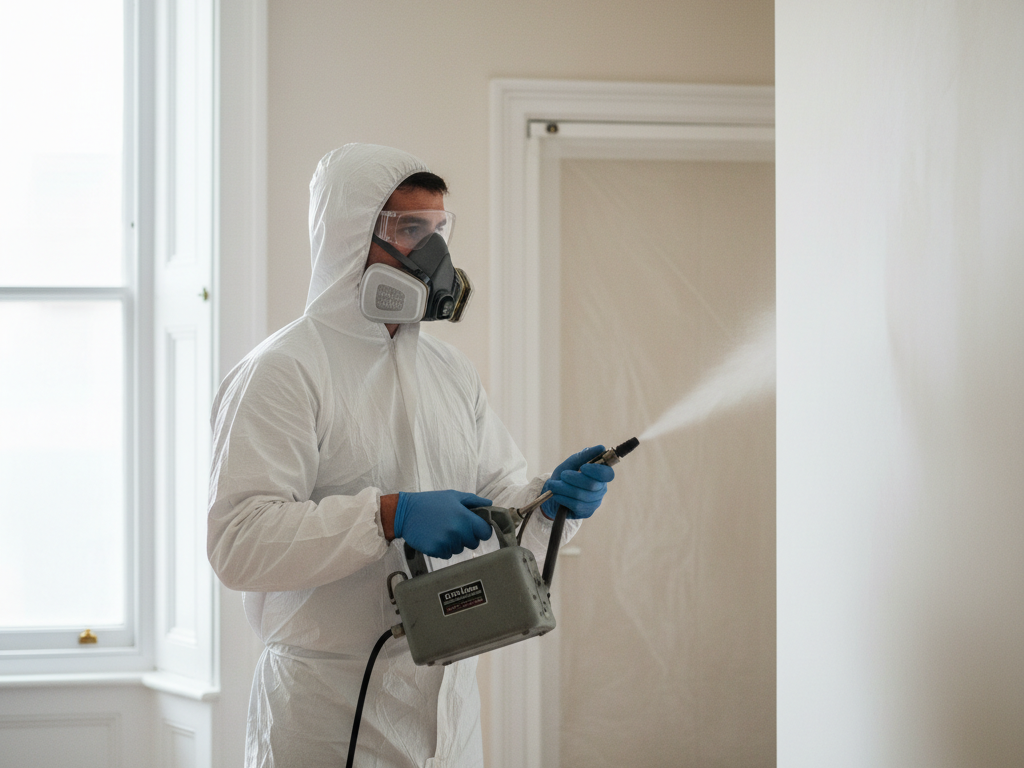
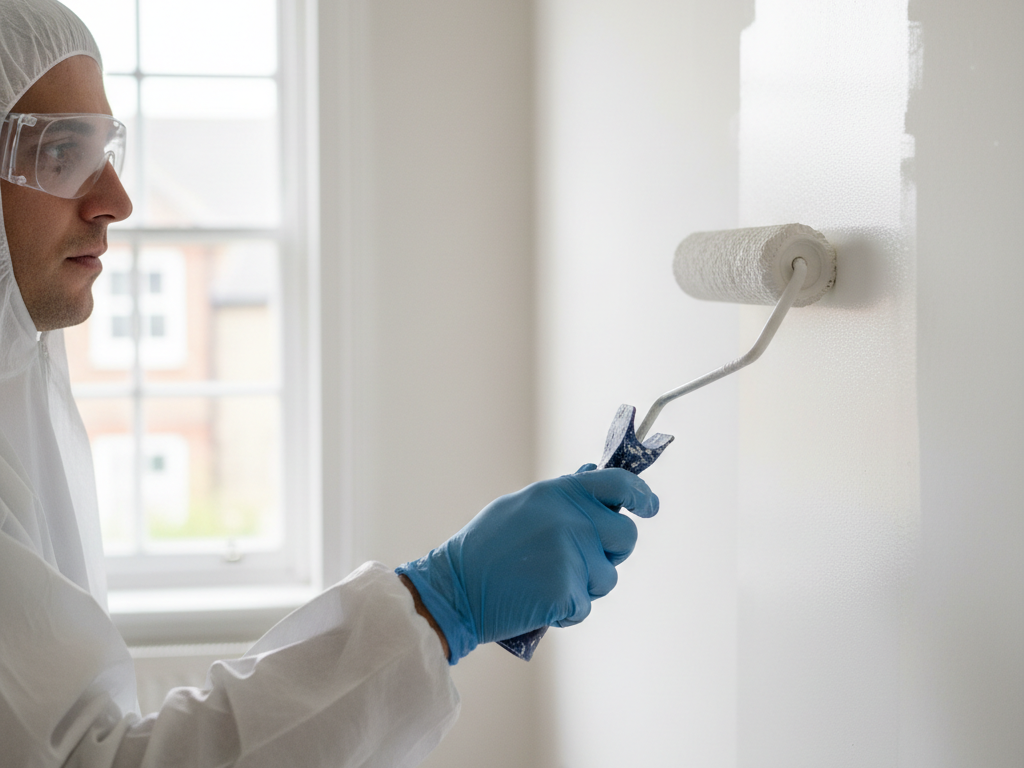
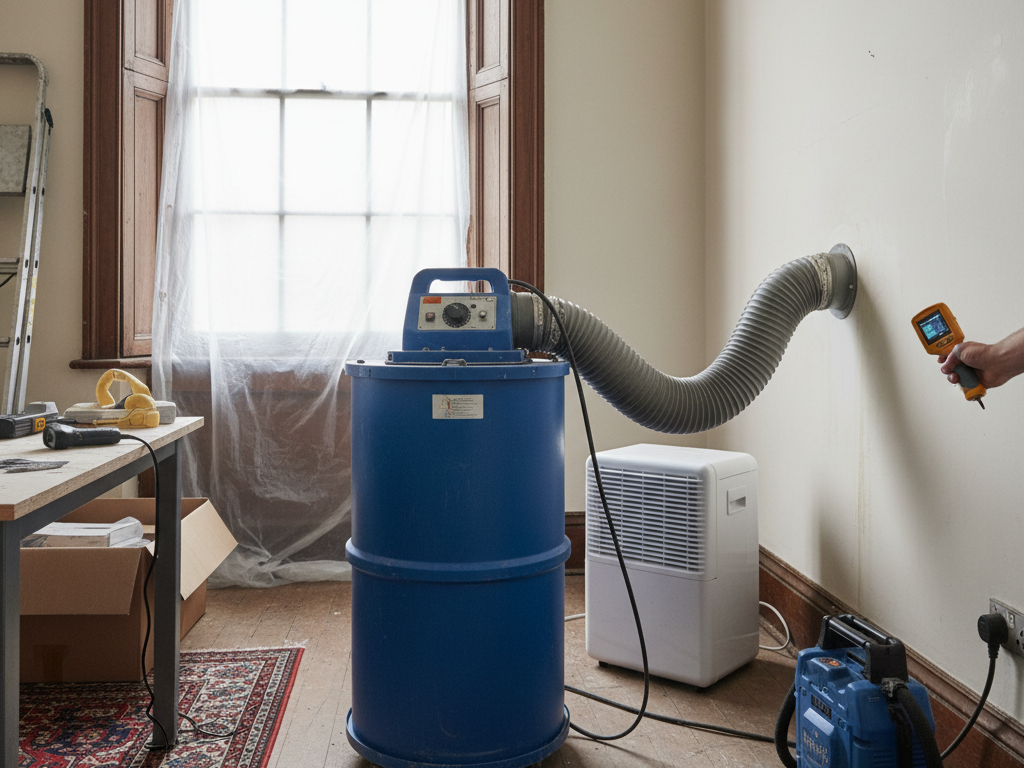
How the work is done
Diagnose
We establish which type of damp you actually have — the treatment for condensation is completely different from the treatment for a leak.
Dry it out
Where needed we use dehumidification to bring moisture levels down before any repair or decoration, so work isn't done into a wet wall.
Ventilate
We improve airflow — extract fans, trickle vents or positive-input ventilation (PIV) — so humid air leaves the building instead of condensing on it.
Repair the source
For penetrating or rising damp we address the cause: pointing, gutters, sealing or specialist damp-proofing as appropriate.
Frequently asked questions
How do I know if it's condensation or rising damp?
Condensation tends to appear on cold surfaces and in corners, high up and around windows, and is worst in winter. Rising damp shows as a tide-mark low on the wall, up to about a metre. Penetrating damp is usually a localised patch tied to an outside defect. Our survey confirms which one — they look similar but need different fixes.
Will a dehumidifier on its own solve it?
A dehumidifier helps manage humidity, but on its own it's a sticking plaster. Lasting control comes from improving ventilation and fixing the source. We use dehumidification as part of the solution, not the whole of it.
What is PIV?
Positive Input Ventilation gently introduces filtered, drier air from a loft-mounted unit, slightly pressurising the home so stale, humid air is pushed out. For condensation-driven mould in flats and houses it's often the single most effective fix.
Do period properties need special treatment?
Often, yes. Solid-wall Victorian and Edwardian homes are designed to breathe. Sealing them with the wrong materials traps moisture. We work with the building's construction rather than against it.
Tell us about the problem
Send a few details and we’ll come back within a working day — with advice, or a date for a free survey. Photographs of the affected areas always help us give you a sense of what’s involved.
- → We find and fix the cause, not just the symptom
- → Safe, contained, IICRC S520 process
- → Across London and the Home Counties
Request a survey
Just the basics — we’ll handle the rest.